
Frontier Technology News, Analysis and Reviews

DMARC Checks Who May Use a Domain, Not Whether an Email Is Safe
DMARC links SPF and DKIM to the visible From domain, but a passing result does not make an email safe. The 2026 IETF standard clarifies alignment, policy, reporting and forwarding limits.
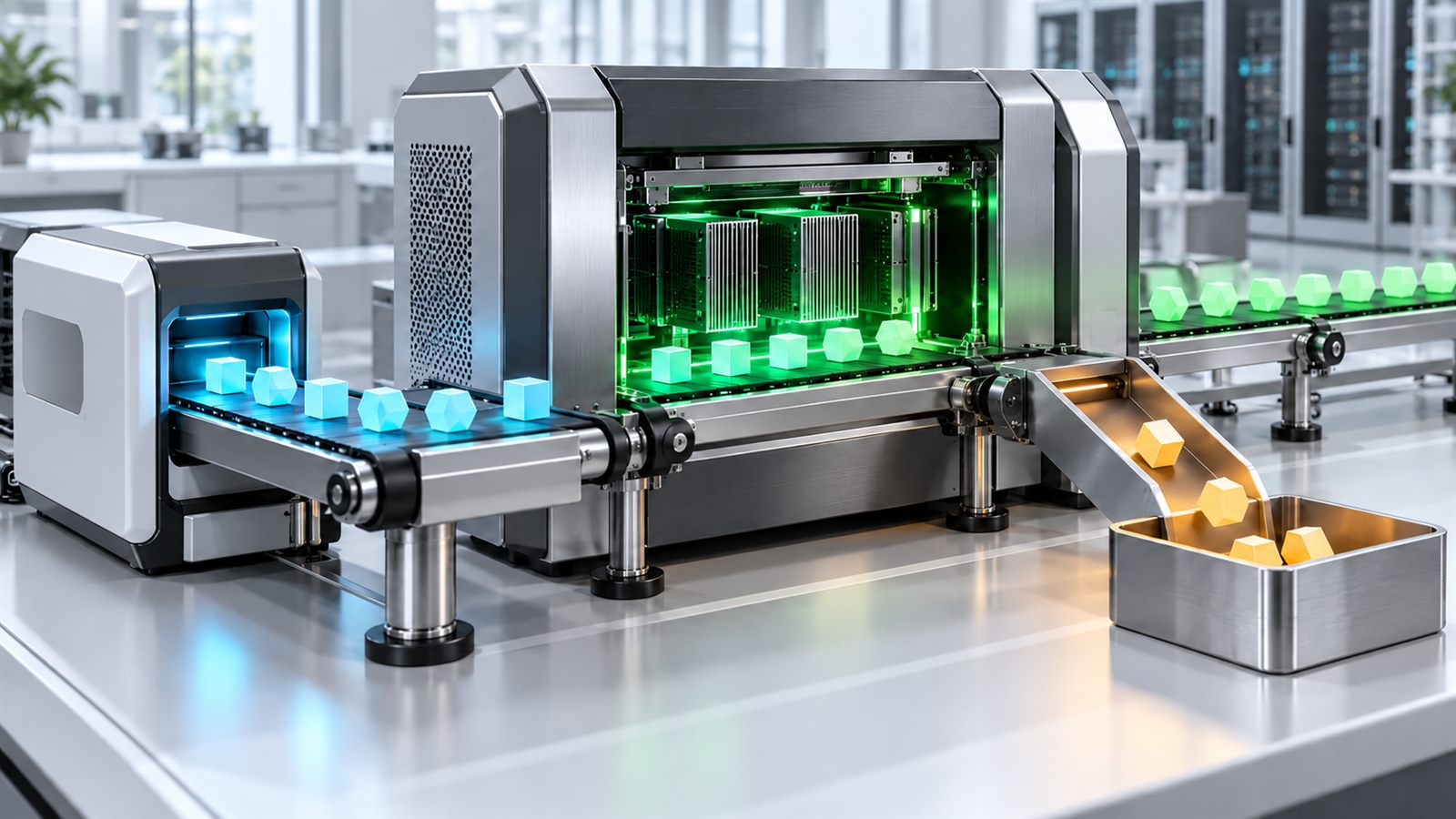
How Speculative Decoding Speeds Up AI Text Generation
A small model can draft several tokens for a larger model to verify together. Here is how speculative decoding works, why it does not check facts, and when its speed advantage can disappear.

How Agrivoltaics Changes the Design of a Solar Farm
Growing food and generating solar power on the same land changes panel height, spacing, light, water and machinery access. Crop-specific evidence decides whether the design works.

Your Smart TV Can Recognize What You Watch: What ACR Settings Actually Change
Automatic content recognition can identify programs shown through TV inputs, but switching it off does not stop every kind of platform or app tracking. Here is what the controls actually cover.
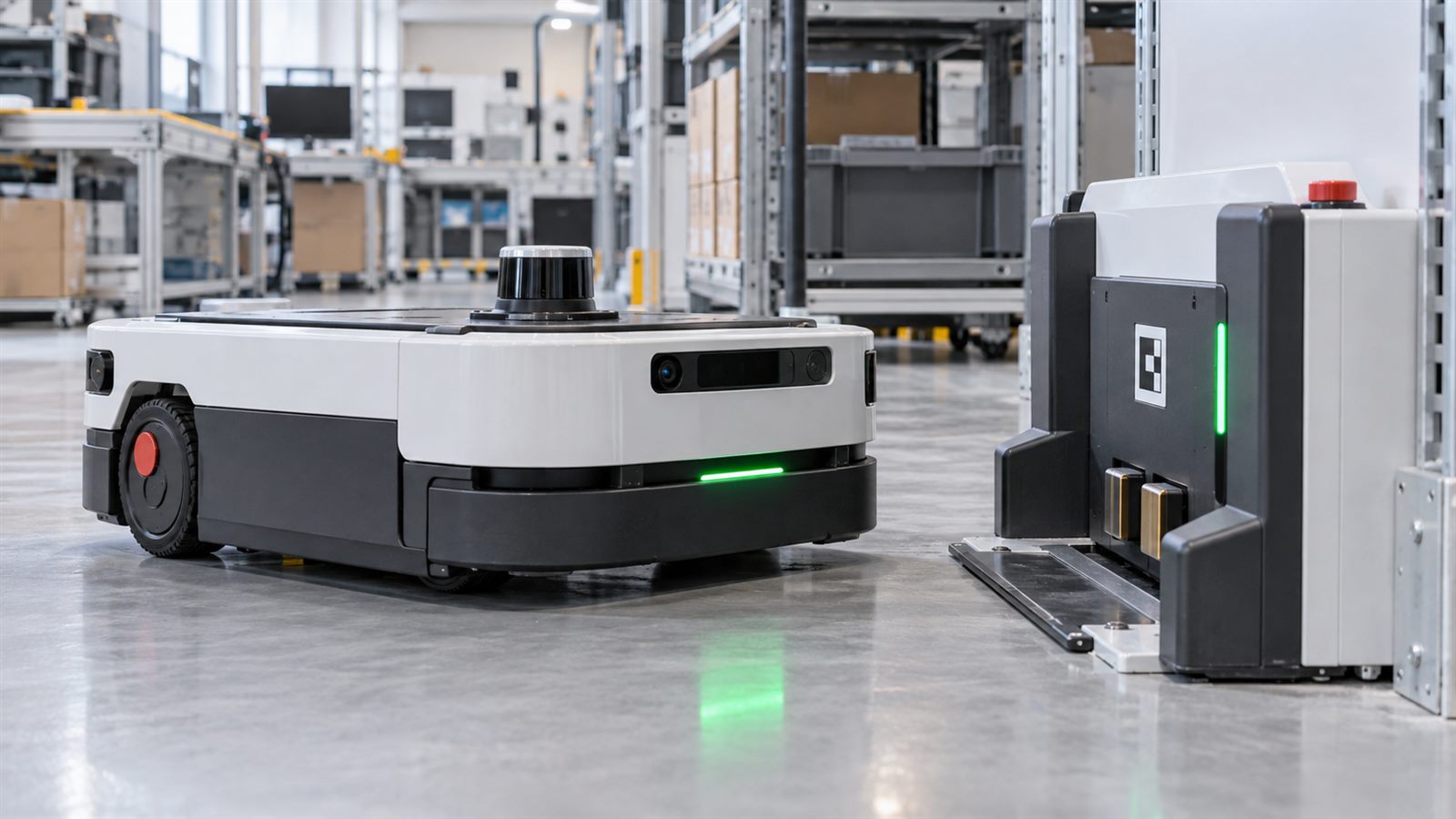
Robot Charging Depends on Reliable Docking, Not Just Battery Size
A mobile robot must find its charger, align, make contact, confirm power transfer, and recover from failure. Battery capacity alone does not guarantee fleet uptime.

Biofoundries Automate Experiments, Not Biology Itself
Automated biofoundries accelerate design-build-test-learn cycles, but useful results still depend on measurement quality, provenance, standards and manufacturing-scale validation.
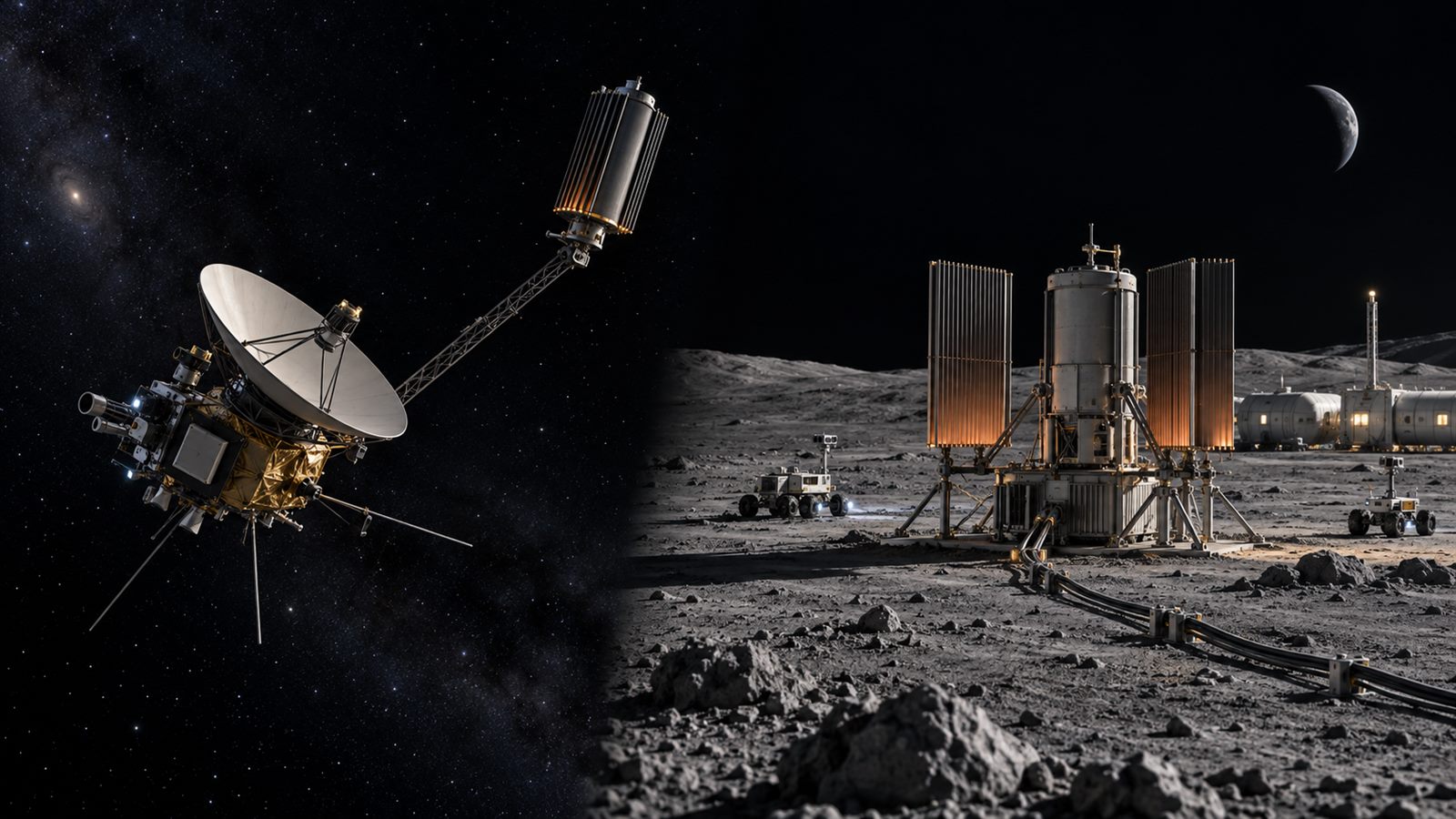
RTGs and Fission Reactors Solve Different Space Power Problems
Radioisotope generators and fission reactors both use nuclear material, but their power scale, heat management, safety process and best mission roles are fundamentally different.

EV Charging Maps Need Live Data, Not Just More Pins
EV route planning depends on fresh, interoperable information about charger status, availability, compatibility, power and price, not merely a map of installed stations.
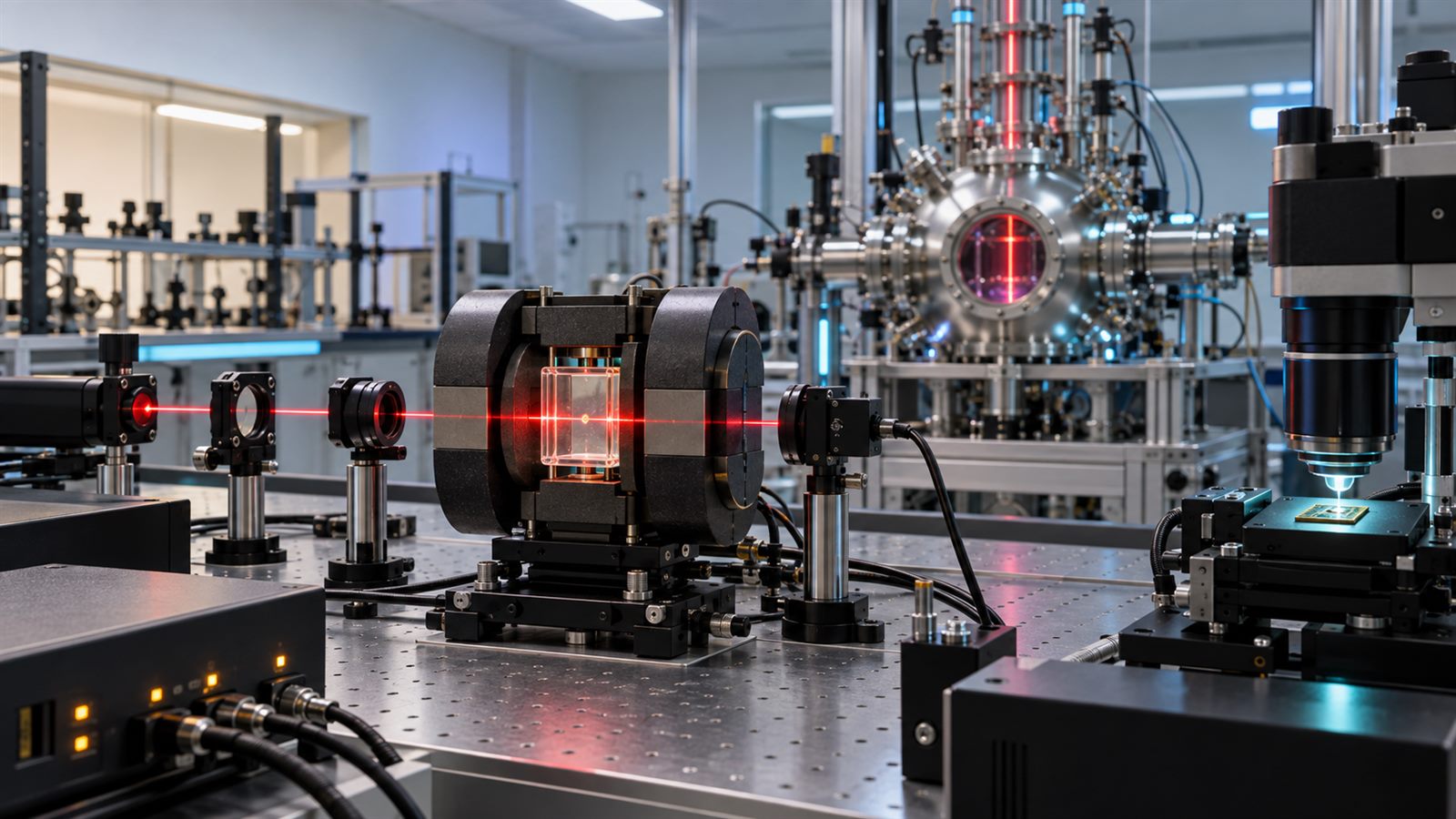
Quantum Sensors Win on Specific Measurements, Not Every Metric
Quantum sensors can reveal extraordinarily weak signals, but useful instruments must also balance bandwidth, dynamic range, stability, calibration, environmental control, and field reliability.

Short-Lived TLS Certificates Make Automation Part of Security
Public TLS certificates are moving from 200-day limits toward 47 days, making automated validation, deployment, monitoring, retries, and recovery essential infrastructure.

Long AI Context Windows Have a Memory Bill
Long AI prompts consume temporary memory through the KV cache, so context length affects latency, throughput, concurrency, and serving cost even when model weights stay fixed.
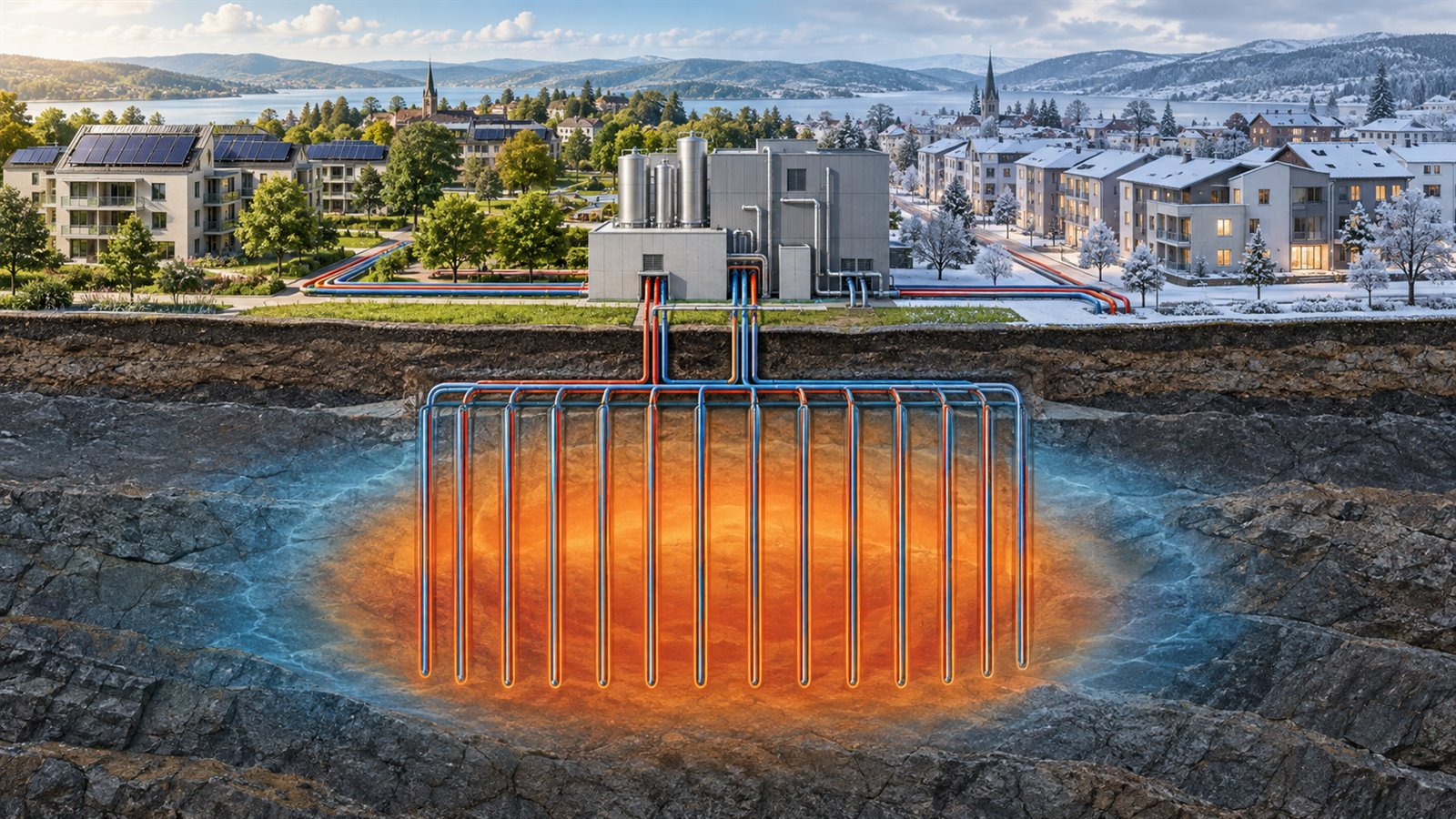
Seasonal Thermal Storage Is a Heat Bank, Not a Giant Battery
Seasonal thermal storage can move summer heat into winter, but its real performance depends on temperature, geology, heat pumps, networks, and useful demand.
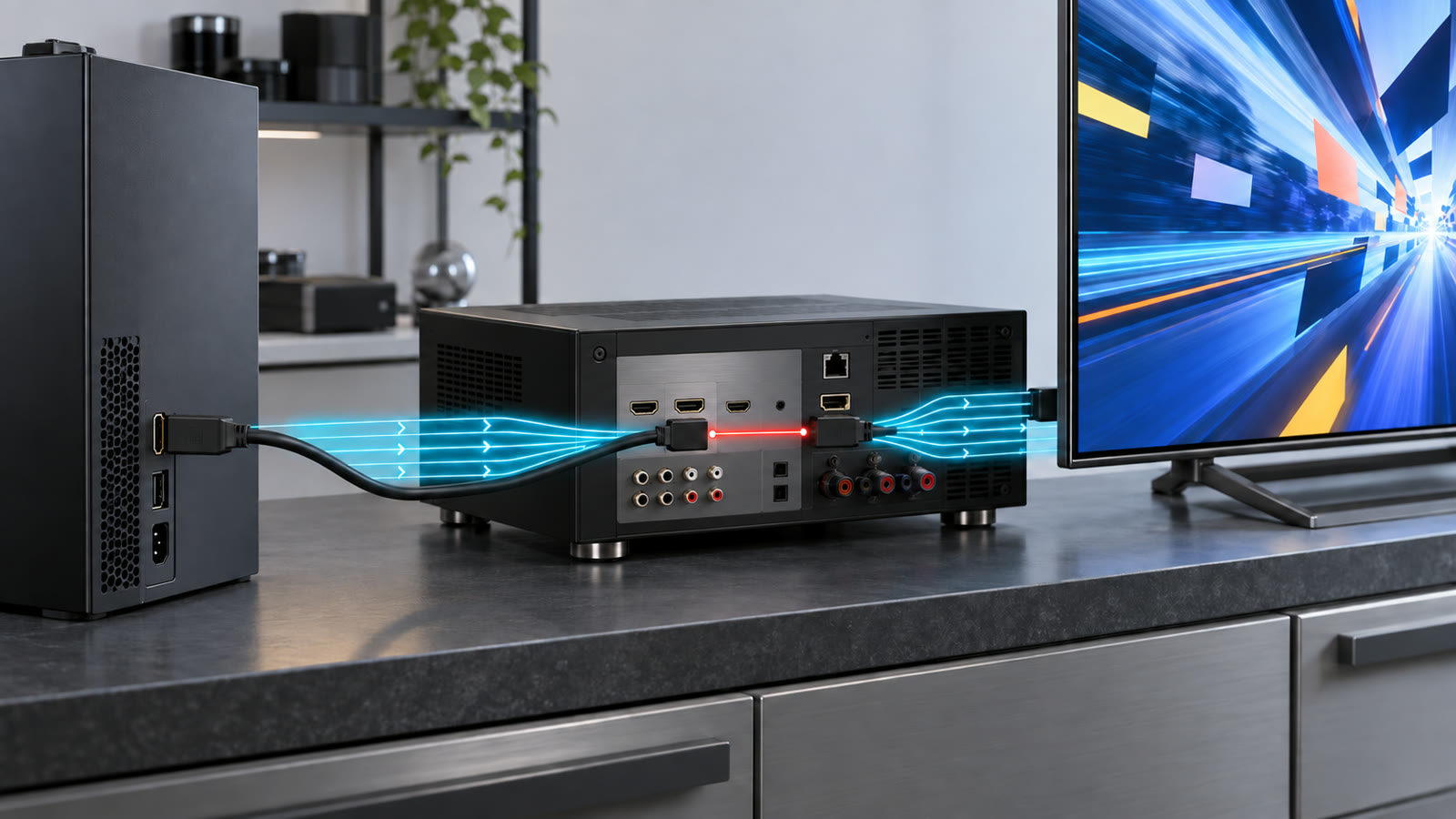
An HDMI Version Number Does Not Guarantee Your Video Mode
HDMI compatibility depends on the source, every port, intermediate device, cable, display, bandwidth, color format, and optional feature, not a version number alone.

Why Robot Maps Drift: The Limits of SLAM and Loop Closure
Robot odometry is smooth but drifts, while global maps can jump when loop closure adds new evidence. Reliable SLAM must expose both correction and uncertainty.

A Microbiome Test Is a Measurement Pipeline, Not a List of Bacteria
A gut microbiome report depends on sampling, DNA extraction, sequencing, databases, and statistics. Reference materials reveal bias, but clinical meaning needs separate evidence.
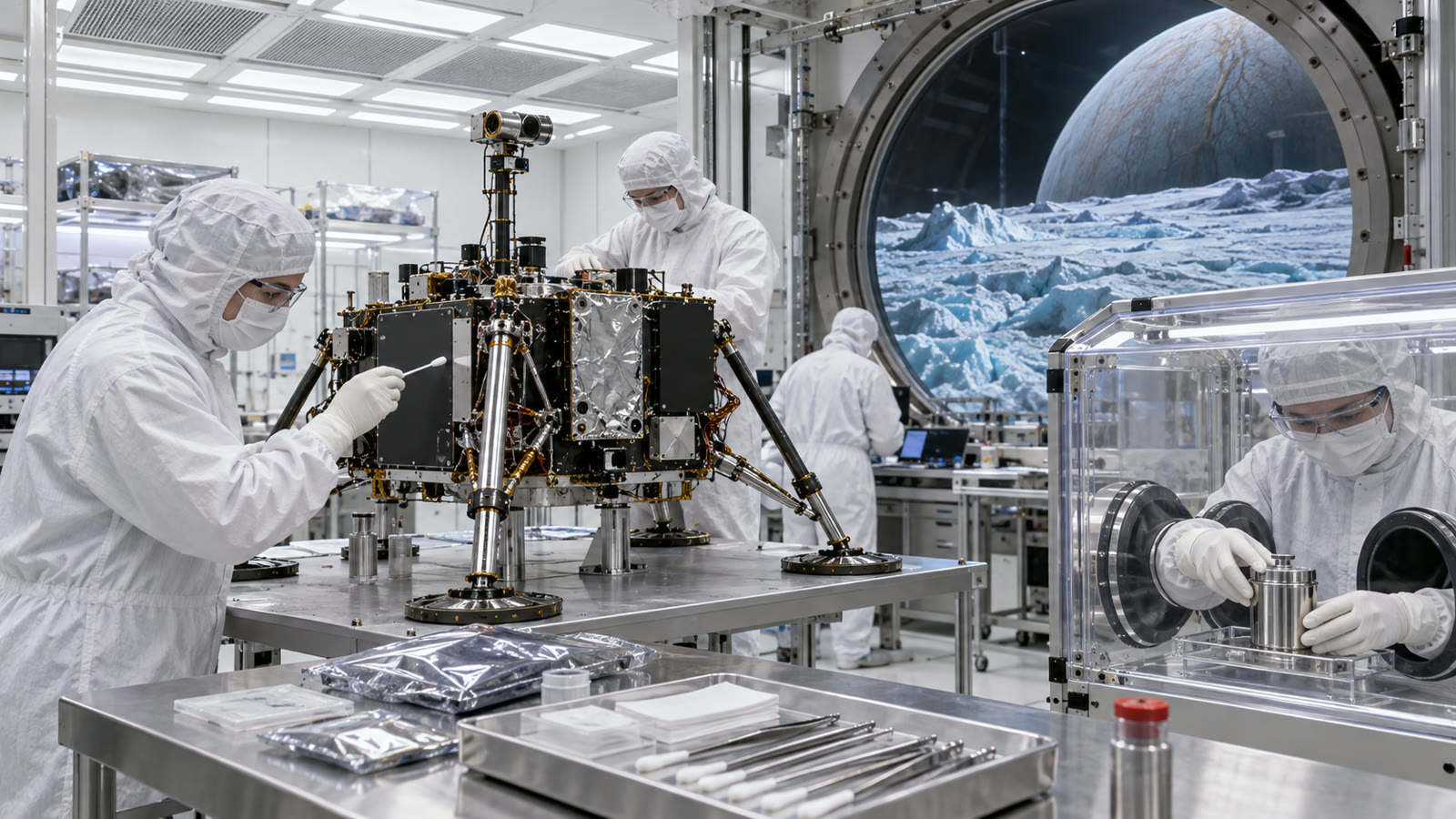
Icy-World Missions Need a Contamination Budget, Not Just a Clean Room
COSPAR’s 2026 icy-world framework shows why spacecraft need measured bioburden, compatible sterilization, trajectory controls, and verifiable containment.
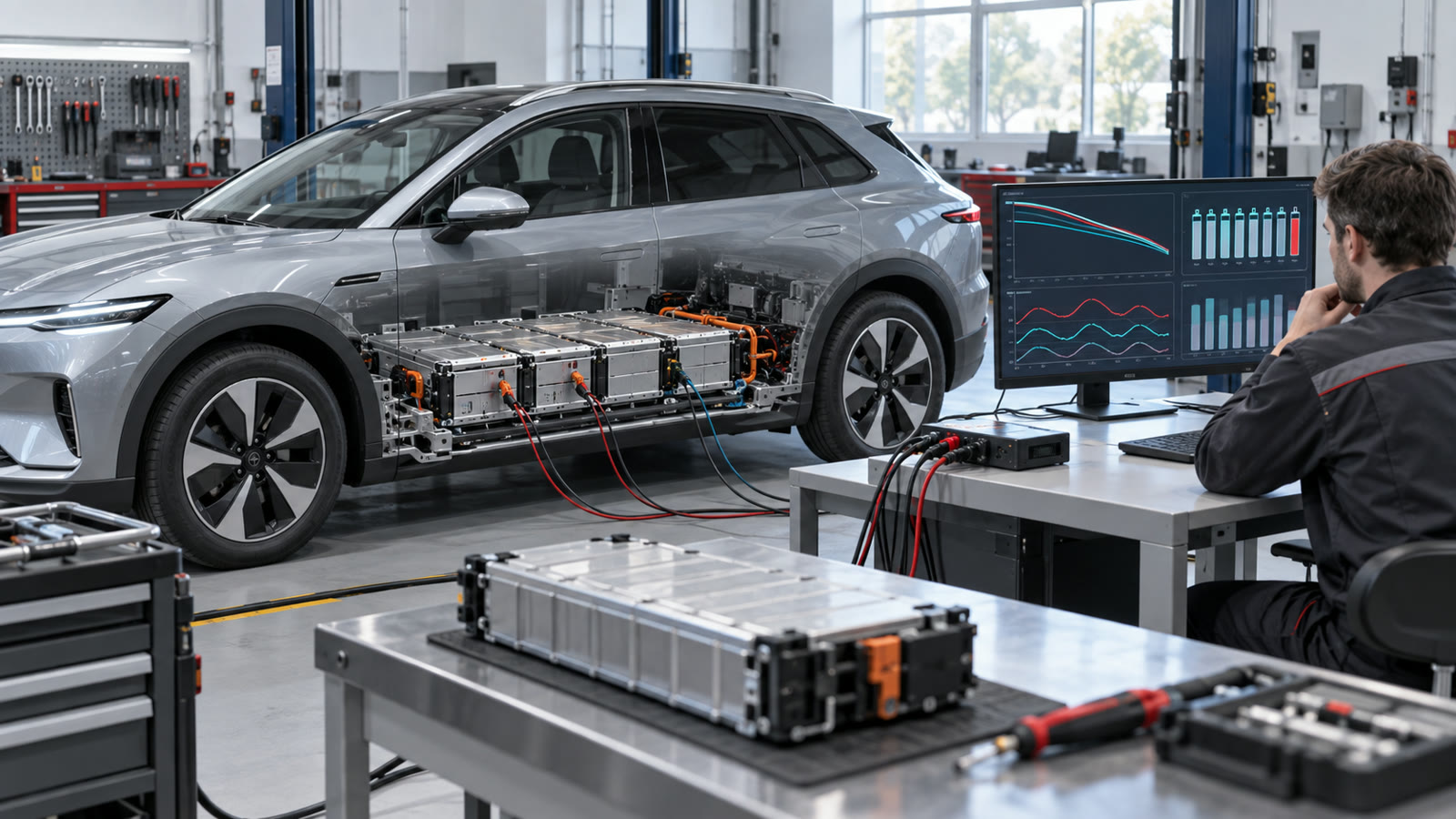
EV Battery Health Needs a Standard, Not a Dashboard Guess
A useful EV battery-health report must separate usable energy, range, power, software estimates, and test conditions so buyers can compare vehicles fairly.